Report on Bioethics panel discussion

Bioethics panel"Bioethicists, physicians and feminist activists reconsider the terms of the debate about women's reproductive and sexual rights."

More photos are available here.

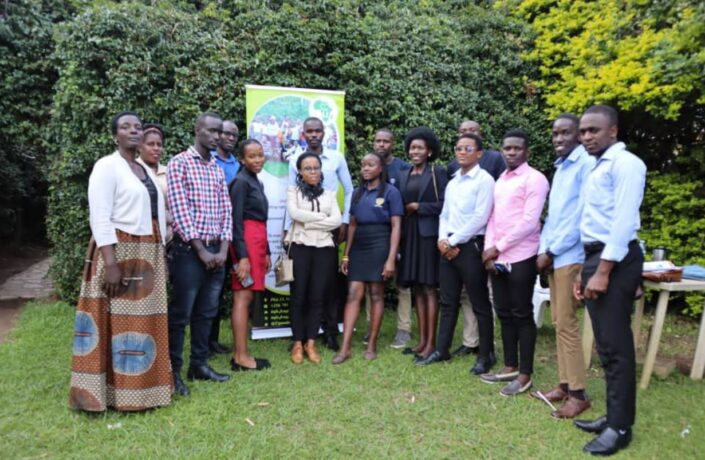
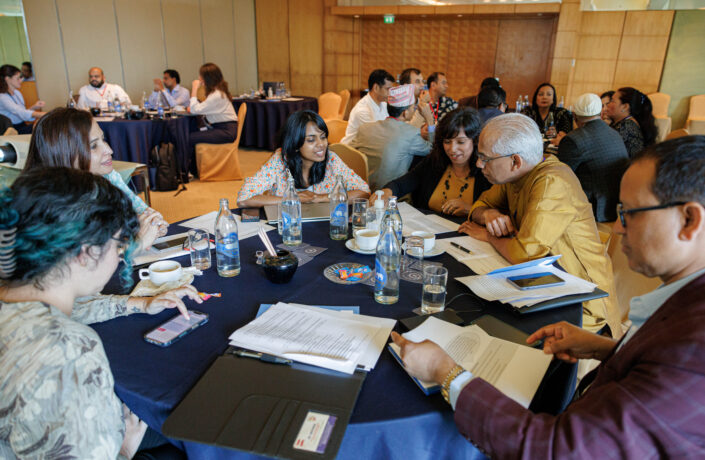
Eighty-seven people attended this panel discussion held on January 27th on the 12th Floor of 777 UN Plaza. The panel participants included: Ruth L. Fischbach, PhD, MPE, a professor of Bioethics and director of the Center for Bioethics at Columbia University, Judy Norsigian, a founding member of the Boston Women's Health Book Collective, an educational nonprofit organization committed to women and health, and executive director of "Our Bodies, Ourselves," Marsha J. Tyson Darling, Ph.D., a professor of History and Interdisciplinary Studies and Director of the Center for African American & Ethnic Studies at Adelphi University, Garden City, NY, and Adrian Sà¢ngeorzan, a practicing gynecologist who lived and Romania and currently works in NYC. James Stacey Taylor, an assistant professor of Philosophy at The College of New Jersey, moderated the panel.

Professor Ruth Fischbach outlined the differences between reproductive and therapeutic cloning, and explained how somatic cell transfer cloning and nuclear transfer cloning are performed. After noting that clones occurred in nature-for example, identical twins-she pointed out the fact that arguments against cloning from the view that cloning was in some way "unnatural" could not be coherently offered. Professor Fischbach continued her discussion of the question of women's reproductive rights by arguing that the payment of significant sums of money to women for their eggs was immoral. She concluded her presentation by stating that despite the imminent feasibility of human cloning, we should question whether or not it is a practice in which we should engage.

Judy Norsigian addressed the issue of stem cell research, in particular the issue of from where such stem cells should be secured. She outlined recent political efforts in California to regulate the ways in which stem cells can be secured, and further addressed the question, raised by Professor Fischbach, of whether or not it was ethically acceptable to pay women for their eggs. Like Professor Fischbach, Norsigian concluded that such payment was unethical, especially since the risks that the women would be running are as yet unknown.

Professor Marsha Darling explained the concept of "intersectionality" and its importance in discussing women's rights. This is the view that persons posses many social identities, such as that of being a woman, that of being a European, and that of being a professional. Having noted this, Professor Darling observed that persons could suffer from oppression as a result of some or all of these social identities; and, if one possesses many social identities that are traditionally subject to oppression, one's oppression will accordingly be magnified.

Dr. Adrian Sà¢ngeorzan, who presented the film "Children of the Decree," examined the adverse effects of the Romanian ban on abortion under Nicolae Ceausescu. He then gave a brief description of his experiences as a Romanian doctor during that time-experiences that showed that such a ban had exceptionally deleterious effects on women's health.

One of the main questions which generated a heated debate, posed by Professor Taylor, was whether placing restrictions on the commercialization of women's reproductive capabilities was really in accord with respecting women's autonomy, or whether it was simply paternalistic to preclude women from making their own choices in this matter.

Women's Issues in Communist Regime

"Children of the Decree" by Romanian filmmaker Florin Lepan was featured during the panel discussion for 20 minutes. It was selected for screening in 2004 in NYC by the Margaret Mead Film & Video Festival. This documentary analyzes Romania's quest to increase their population by over fifty percent in a single decade by imposing a ban on abortion in 1966. For 25 years, contraception and abortions were completely banned in communist Romania during Ceausescu's dictatorship. It was a unique experiment in human reproduction. Adrian Sà¢ngeorzan was the main consultant for the documentary "Children of the Decree."

Ana Lita

Trackback URL for this post:

http://www.iheu.org/trackback/1914