IHEU at the Human Rights Commission

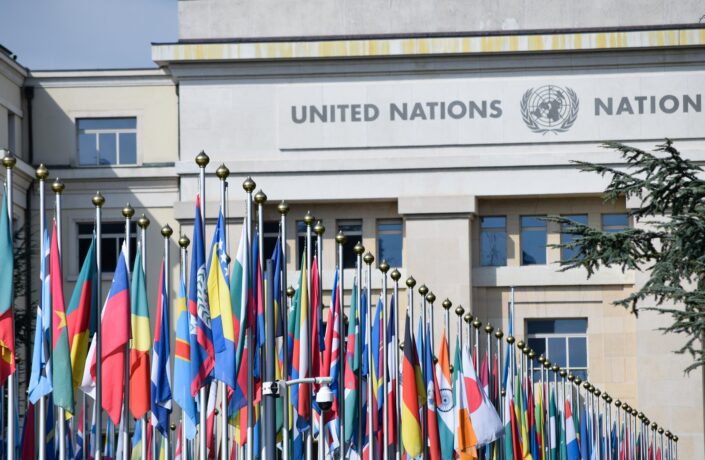
UN Geneva

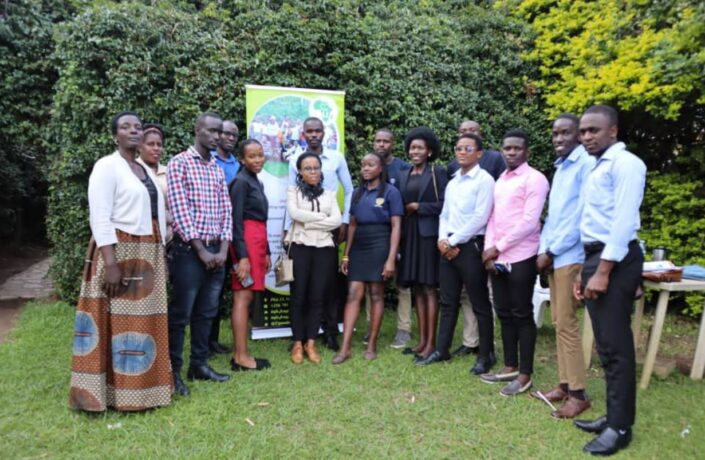
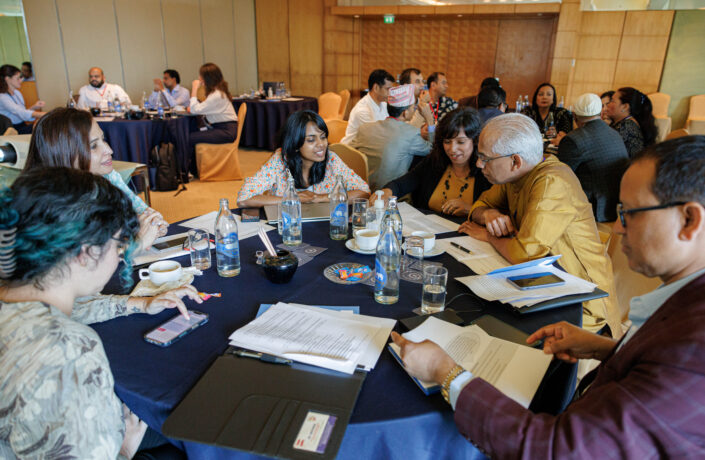
This year, IHEU fielded a strong team of five to the 61st Session of the UN Commission on Human Rights held in <?xml:namespace prefix = st1 ns = "urn:schemas-microsoft-com:office:smarttags" />Geneva from 14th March to 22nd April. Roy Brown and Babu Gogineni were joined by Michele Vincent and Philippe de Dehn of the French Libre Pensee, and Leonore Reverdin from Switzerland.<?xml:namespace prefix = o ns = "urn:schemas-microsoft-com:office:office" />


The Issues

IHEU made five presentations to the Commission under the IHEU banner, and a further three joint statements with kindred NGOs. Three of our presentations concerned the Indian caste system. The Commission this year, for the first time, recognised that caste discrimination, “discrimination based on work or descent” in UN-speak, and the plight of the untouchables (known as Dalits), falls within its remit. See “Untouchability” (see page 16).


The Special Rapporteur on defamation of religion told the Commission in his report that defamation of all three Abrahamic religions is common throughout the world, and that the perpetrators are typically members of other religions (are we surprised?). But he went on to warn against “a tradition of secularism that denies religions the possibility if not the right to play a role in public life”. IHEU responded with a strong statement in which we pointed out that

the Special Rapporteur appears to have confused secular opposition to the imposition of dogmatic Christian views on western society, with discrimination against Christians, and even to have confused secular protection of freedom of conscience, and support for the separation of religion and state, with prejudice against religion.


Secularism should not be confused with militant atheism. We urge the Commission to recognise that a truly secular society – one that is neutral in respect of all religions – is a necessary safeguard against religious intolerance – discriminating against none and favouring none... The alternative to secularism is state religion which, by definition, favours one system of belief over all others.


IHEU also lent its name to three joint statements on the Sudan, one on the urgent need for food aid in  Darfur, another on the plight of the people of southern Sudan, two million of whom were killed in the war and 200,000 of whom are still held in slavery. Our third joint statement urged the members of the Commission to accept their responsibilities for the defence of human rights in the Sudan.


‘Defamation of Religions’

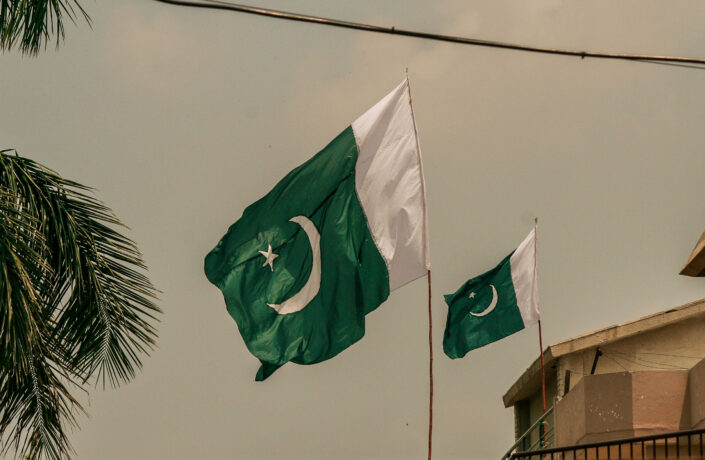
In a show of strength, Pakistan, representing the Organisation of the Islamic Conference (OIC), sponsored a motion “Combating Defamation of Religions” which failed not only to condemn but to even mention those who kill in the name of religion. IHEU wrote to all 53 full-member delegations in an unsuccessful attempt to introduce such a clause. In discussions with a number of delegations before the vote, it was apparent that many, EU delegations in particular, were uneasy with the “lack of balance” in the resolution and were urging Pakistan to accept an amendment to ensure that, as a minimum, the resolution applied equally to all religions – as had been the case with a similar resolution passed in 2004. This year, however, no doubt emboldened by their success of a year earlier, the Pakistani delegation refused to budge. The EU states, America and most western democracies then voted against the resolution, but it was still carried by a nearly 2 to 1 majority. Following the vote, IHEU later issued a Press Release that received wide coverage.


Our final statement to the Commission also received wide coverage; largely it must be said because the words were those of Ayaan Hirsi Ali who came to speak at our one-day parallel conference “Victims of Jihad” and who joined our press conference on 18th April. See “Victims of Jihad”, page 19, for a summary of the conference.


As a politician, Ayaan Hirsi Ali felt unable to address the plenary of the Commission on behalf of IHEU so

Roy Brown read a statement that briefly summarised the main points of her conference speech:


Western society tends to turn a blind eye to the plight of European Muslim women and girls because “Muslim culture is different”. Yet in Europe many women find themselves subject to domestic violence, undergo forced marriages or are even killed by family members because of some belief that they have tarnished the family honour.


Ayaan had also posed a rhetorical question:

Would this Commission, we wonder, have remained silent when millions of European Jews were being shipped off to the gas chambers because this was “part of German culture”?


The statement concluded:

Undue concern for religious or cultural differences, or fear of being labelled Islamophobic, must not be permitted to stand in the way of the universal application of Human Rights.


The full text of all of the IHEU statements to the

Commission can be found on the IHEU website at:

www.iheu.org/humanrights