Tsundur's Dalits

Thirteen years after the brutal massacre of Dalits at Tsundur in Andhra Pradesh, the trial of the accused began at a special court in December 2004 – only to be interrupted again. V.B. Rawat reports on the efforts of a brave people.

The Tsundur Massacre

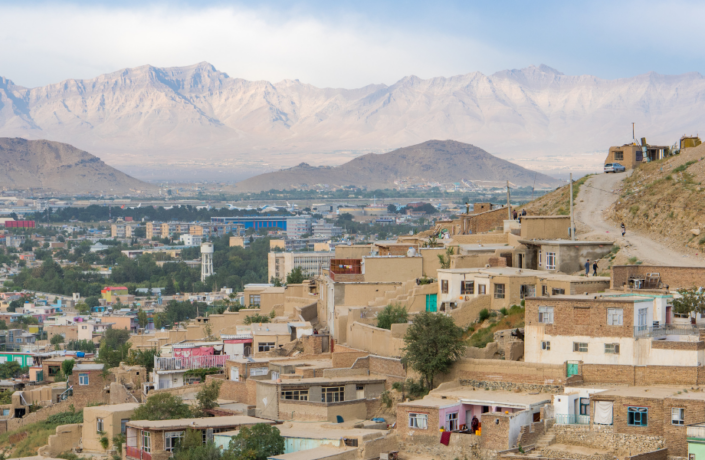
Tsundur is a small town, two hours away by bus from Vijayawada city in Andhra Pradesh State in South Central India. With a population of over 5000, Tsundur town has well demarcated Dalit localities and upper caste residential areas. The Dalits live in Ambedkarnagar, a proud ghetto named after Dr. Ambedkar – the father of the Indian Constitution, himself born ‘untouchable’.

Many of the Dalits in Tsundur worked for the Indian Railways, and were sending their children to school. Their houses had electricity and other essential services – unusual for Dalit homes. The boys wore jeans, and some of the girls went to degree college. With their head held high the women and men in the colony dared to even demand the minimum wages for their labor from the local landlords. The town was a stronghold of the Reddy upper caste – also a feudal land owning class. The Dalits were embracing modernity but the Reddys wanted them to stick to their age-old position in society.

When tensions started building up slowly, on 6 August 1991 the Reddy community allegedly struck and 8 Dalits were massacred in broad daylight. The dead bodies were cut into pieces, put in gunny bags and thrown into a river canal. The Dalit section of town fled their homes as was intended by the perpetrators of the ghastly crime; the gruesome murders provoked a suicide by a victim’s family member who saw the dead bodies. A Dalit doctor who performed the post mortems also committed suicide.

13 Years of Struggle

The 13 years that followed are a case study in the subversion of justice in every way: dilatory tactics to protract the judicial process and constant threats and allurements to break the resolve of case witnesses. If the resolve of the witnesses is a tribute to their grit and determination, the unconscionable delay of 13 long years is a severe indictment of India’s criminal justice system. The families of those killed have grown up. Despite their extreme adversity they showed great resilience – most of the children are doing well in education, some at the post-graduate level today.

In order to obtain justice, the Dalits formed a committee and acted in a united manner. When the government conducted a court hearing outside Tsundur, they boycotted it and demanded a special court in Tsundur itself to try the accused. Finally the government created a special court in Tsundur with a judge from the Dalit community. Then the upper caste members succeeded in getting the judge transferred.

When a new judge started the trial hearings, the accused asked for adjournment due to festival and harvesting season – the judge granted it. For years Dalits in Tsundur demanded that they be allowed to have public prosecutor in whom they had faith. The government was not keen on this but ultimately allowed to so. Since most of the Dalits in Tsundur have been practicing Christians, the upper caste members started arguing that the Scheduled CasteScheduled Tribes Act cannot be applied to Christians. The Andhra Pradesh High Court rejected this, but this further delayed the process. When the dalit youths of Tsundur became impatient and started agitating for their rights, Anil Kumar, an important student activist was shot dead by the police during a peaceful demonstration. The role of the police has been highly partisan and against all norms of rule of law.

In Tsundur the state went out of the way to compensate the victim’s families, their silence could not be bought this way. The Dalits of Tsundur have shown that they can outshine the powerful feudal lords in everything: be it the democratic practice, be it in women’s emancipation or be it education or employment. They have proved that a community cannot be pushed to the wall through pressure tactics and prejudices.

They are demanding an answer from the Indian judicial system, despite the grave dangers to themselves, they continue to point out that that those who have committed crime and who are roaming free should be brought to book. They warn that if this were not done then those who have embraced democracy would lose faith in it and pick up guns themselves. The story of the Dalits and their rise in Tsundur is a story for all of us to learn from: of how the human spirit shines in the light of adversity.

V.B. Rawat is a Human Rights activist and Humanist from New Delhi.

Reason and morality are the two most powerful weapons in the armoury of a reformer. How are you going to break up Caste, if people are not free to consider whether it accords with reason? How are you going to break up Caste, if people are not free to consider whether it accords with morality? The wall built around Caste is impregnable, and the material of which it is built contains none of the combustible stuff of reason and morality. It would take ages before a breach is made.

Dr. B.R. Ambedkar, Annihilation of Caste, 1936

Trackback URL for this post:

http://www.iheu.org/trackback/1331