Contemporary Slavery in Africa

West & Southern AfricaUN Geneva

World Population Foundation
Joint statement with International Humanist and Ethical Union,
Association for World Education and World Union for Progressive Judaism

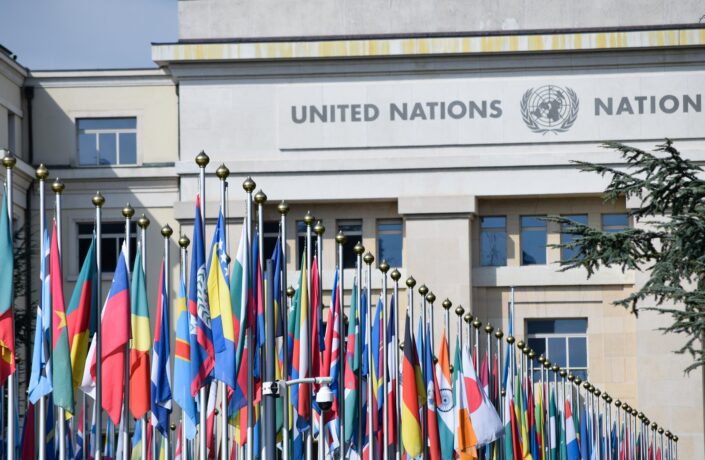
UN HUMAN RIGHTS COUNCIL: 10th Session (2 – 24 March 2009)
Speaker: Representative David Cornut: Monday 16 March 2009

Agenda Item 3: Trafficking in Persons

Contemporary Slavery in Africa

Thank you Mr President.

On 12 February 2009, the United Nations Office on Drugs and Crimes published its first report [1] on the application of the 2003 United Nations Protocol against Trafficking in Persons. The report expressed a number of concerns regarding both the scarcity of judiciary statistics submitted by certain African States, and the weakness of national laws against modern day slavery . [2] For example, Benin, Togo, Mauritius and Mali do not have any specific legislation to defend victims of trafficking above the age of 18. [3] Moreover, a number of African states, such as Congo, Kenya or Burundi, have no legislation specifically targeting human trafficking. [4]

In East Africa, the report notes that “many of the countries in the region report hundreds, or even thousands of victims of trafficking per year during the reporting period. The great difference between the number of victims and the low number of traffickers is a specific pattern in this region.” [5] Yet not all slaves have been trafficked; vast numbers are born into slavery.

Mr President, there are an estimated one million people living as slaves in Africa today!

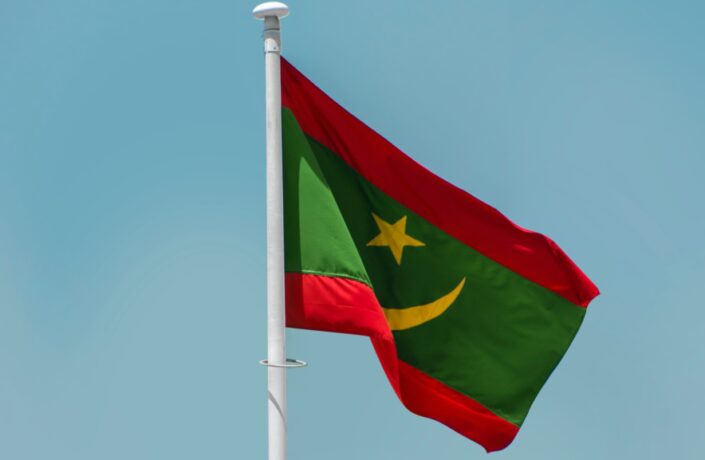
Yet sadly, the response of many of the States involved in this scourge has been patchy at best, and at worst almost non-existent. For example, in Mauretania, despite anti-slavery legislation in 1960, 1966, 1981, and 2007, the law has never been enforced and an estimated 600,000 people in the country continue to live in slavery. [6] And at least 35,000 Southern Sudanese slaves remain in bondage in the Sudan. [7]

When we raised the issue of contemporary slavery in Africa and the Arab states during the informal working group meetings for the DRC in January, we were told by one delegation that we were “dishonouring the memory of the victims of the Transatlantic slave trade”, and that trafficking was a minor problem in their country, even though official reports tell a very different story. [8] What greater dishonour could there be to the memory of the victims of the historic slave trade, Mr President, than for States to deny the existence of this evil in their own countries today?

Mr President, we urge all of the States concerned to take immediate action to halt this evil by implementing the UN Protocol against Trafficking; by improving their legislation where necessary; and by improving measures on the ground to release the enslaved, and to bring the slave traders to justice.

Thank you, Sir.

1 Global Report on Human Trafficking, United Nations Office on Drugs and Crime, February 12, 2009
http://www.unodc.org/unodc/en/frontpage/unodc-report-on-human-trafficking-exposes-modern-form-of-slavery-.html
2 Ibid page 41
3 Ibid, pages 102, 109, 115.
4 Ibid, pages 114, 130.
5 Ibid, page 52
6 Slave Free Mauretania : http://slave-free-mauritania.org/default.aspx
7 http://www.gossmission.org/goss/index.php?option=com_content&task=view&id=634&Itemid=193
8 http://www.iheu.org/iheu-replies-benin-slavery

Trackback URL for this post:

http://www.iheu.org/trackback/3545